
Identify it accurately. Treat it properly.
Intestinal Worm Cleanse: Symptoms, Types and How to Get Rid of Worms
Intestinal worms are parasites that live in the human digestive tract. The most common are pinworm, roundworm, tapeworm and hookworm, and they are far more widespread than most people assume.
They affect you by taking nutrients before your body absorbs them, irritating the gut lining and disturbing sleep. That is why bloating, fatigue, low iron, teeth grinding and night-time itching are typical, and why the symptoms are so often blamed on something else for months.
Most are treatable once identified. Below you will find what each worm looks like, which symptoms point where, how to clear them, and when the situation calls for a doctor rather than a cleanse.

100% natural ingredients
No Harsh Chemicals
Formulated with Research-Backed Herbs
Trusted by 100,000+ customers






Symptoms of Worms in Humans: What to Look For
People want to identify what they saw, and that is a reasonable thing to want. Here is what the common ones actually look like, without the photographs:
Specific: visible worms or segments in stool, intense anal itching that is worse at night, itching around the genitals in girls, or unexplained weight loss while eating normally. These are worth acting on rather than waiting out.
Vague: bloating, tiredness that sleep does not fix, teeth grinding at night, sugar cravings, brain fog, waking between one and three in the morning, or skin that will not settle. Any one of these on its own means very little. Several together, with no other explanation, is a pattern worth investigating.
The night-time itching is the one that sends most people looking, and it is genuinely characteristic of pinworm rather than a coincidence. Female pinworms migrate to lay eggs at night, which is exactly why the itching follows that pattern.
If you have recently travelled somewhere with different water and sanitation, mention that to anyone you consult, and it is worth knowing how pets and everyday exposure factor in too. It changes what is likely and it changes what they test for.
If that sounds familiar, you’re not imagining it. And you’re not alone.
What Do Intestinal Worms Look Like?
These are the herbs that do the work, and what each one is actually for. Ratios matter more than any single ingredient, which is the part most people miss when buying bottles separately:
- Pinworm. Thin, white, roughly the length of a staple. The most common in developed countries by a wide margin, and the one behind night-time itching.
- Roundworm. Pale, smooth and much larger, sometimes the length of a pencil. Usually noticed because one is passed whole.
- Tapeworm. Flat and segmented. What people usually see are individual segments rather than the whole organism.
- Hookworm. Rarely seen at all. It attaches to the intestinal wall, and the first sign is usually unexplained low iron.
- Whipworm. Thin at one end and thicker at the other. Often no symptoms unless the numbers get high.
- Threadworm. Another name for pinworm in many countries, which causes a lot of confusion when you are searching.
- Not a worm: mucus strands and undigested vegetable fibre both get mistaken for worms constantly.
- Also not a worm: ringworm, despite the name, is a fungal skin infection and has nothing to do with any of this.
- If you are unsure, photograph it and take it to your doctor. That sounds grim and it is far more useful than guessing from a description.
A stool sample is how any of this gets confirmed properly, and for pinworm specifically the tape test done first thing in the morning is more reliable than a stool sample. Neither is expensive and both beat guessing from a photograph on the internet. We cover the options in how to test for parasites at home.
Worth knowing: a single negative stool test does not clear you. They shed in cycles, so one sample on one day proves very little, which is why symptoms often matter more than a single result.


Types of Worms in Humans
Different worms behave differently, spread differently and need different handling. Knowing which one you are likely dealing with changes what you do next.
The ones that actually turn up:
- Pinworm. By far the most common. Spreads hand to mouth, runs through entire households, and reinfection is the norm rather than the exception.
- Roundworm. Picked up from contaminated soil or produce. Can grow large enough to cause real problems if numbers climb.
- Tapeworm. Comes from undercooked beef, pork or freshwater fish. Often silent for a long time.
- Hookworm. Enters through bare feet on contaminated ground. The classic sign is iron deficiency with no dietary explanation.
- Whipworm. Soil-transmitted like roundworm. Usually quiet unless the burden is heavy.
- Strongyloides. Less common but it can persist for decades, and it genuinely needs medical treatment rather than herbs.
- Flukes. Usually associated with raw freshwater fish or watercress from contaminated water.
- More than one at once. Mixed burdens are common, which is part of why broad-spectrum herbal protocols appeal to people.
Pinworm is the one most households are actually dealing with.
If one person has pinworm, treat it as a household situation rather than an individual one. Wash bedding hot, keep nails short, and be strict about handwashing for a few weeks. Reinfection through eggs on surfaces is the single most common reason people clear it and it comes straight back.
Strongyloides and tapeworm are the two where I would not want you relying on herbs alone. Both can persist and both have proper treatments that work.
For everything else, and particularly for the mixed low-grade burdens most people carry, a broad herbal protocol run in rounds is a reasonable approach, and getting rid of pinworms naturally covers the most common case in detail.
Identify first. Then act accordingly.
How to Get Rid of Worms in Humans
There are three routes, and which is right depends almost entirely on whether you have a confirmed diagnosis and how urgent things feel.

Prescription Treatment
If a test has named the worm, this is usually the fastest and most direct route, and I will say that plainly. A single dose often clears pinworm, typically repeated after two weeks to catch newly hatched eggs. For tapeworm and strongyloides it is the appropriate treatment rather than an option. Speed is the advantage. The limit is that it targets one organism and does nothing about the gut environment that let things settle in.
Herbal Worm Cleanse
Broad-spectrum herbs taken in 30 day rounds, with a binder at night and support for the organs doing the clearing. Slower than a prescription, and better suited to the situation most people are actually in: months of vague symptoms, nothing confirmed, and no single organism to target. Rounds matter because anything you take only reaches what is currently active.

Both, In Sequence
Plenty of people take the prescription first to clear a confirmed infection quickly, then follow with a herbal protocol to address the gut environment that allowed it. These are not competing choices and treating them as a rivalry helps nobody. If you have a diagnosis, take the treatment. The cleanse is for what comes after, and for the much larger group who never get a clear answer at all.
More Than 100,000 Trusted Customers


Reinfection Is the Real Enemy.
How Long an Intestinal Worm Cleanse Takes
A herbal round is 30 days, and most people run two or three across 60 to 90 days. A prescription works far faster, often within days, though it is standard to repeat it after two weeks. Either way the same thing decides success: eggs. Anything you take reaches what is currently active and leaves what has not hatched, which is precisely why a second round or second dose exists. With pinworm especially, the bigger risk is not that treatment failed but that you were reinfected from eggs on bedding, towels, door handles or under fingernails. Eggs survive on surfaces for around two weeks. Treat the household, wash everything hot, keep nails short, and be relentless about handwashing for that fortnight. Skip that and you will keep clearing and re-catching the same thing indefinitely.

Do Not Wait This One Out.
When to See a Doctor Instead
I sell herbal cleanses and I am still going to be direct with you here, because some of this genuinely is not a cleanse situation. Go and get seen rather than starting a protocol if any of the following apply.
Get medical help: blood in your stool, severe or persistent abdominal pain, ongoing vomiting, fever, noticeable weight loss, or symptoms in a young child. Also if you are pregnant, nursing, immunocompromised, or you have recently returned from somewhere with very different sanitation.
Tapeworm and strongyloides in particular need proper treatment rather than herbs. Strongyloides can persist for decades and can become dangerous if your immune system is ever suppressed, so it is not something to manage with a cleanse and hope. None of that makes herbal protocols useless. It just means knowing which situation you are actually in, and that is worth ten minutes with a doctor.

The route most people ask about.
How to Get Rid of Worms Without Medication
This is one of the most searched questions on the topic, so here is a straight answer. For a confirmed tapeworm or strongyloides, you should not be trying to avoid medication, and I would rather lose the sale than have you learn that the hard way. For the far more common situation of pinworm, or months of unexplained symptoms with nothing confirmed, a herbal protocol is a reasonable route and it is what most of our customers are actually doing.
The traditional combination is wormwood, black walnut hull and clove, used together because each reaches a different life stage. Clove is the one people leave out when buying bottles separately, and it is the one that matters for eggs, which is exactly why a protocol without it works for a fortnight and then stops. Add a binder at night, keep your bowels moving daily, and run it in 30 day rounds rather than a single burst. And if it is pinworm, the household hygiene fortnight matters more than any herb you take.
Why Our Intestinal Worm Cleanse Is Different
All products are manufactured in our own facility in Arkansas, USA.
Hand-Crafted Tinctures
We manufacture all of our tinctures ourselves to ensure unmatched quality, consistency, and care in every bottle.
Certified Organic Ingredients
Every ingredient we use is either certified organic or ethically wild-foraged, chosen for purity and potency
3rd Party Tested
Our products are rigorously tested by independent labs to guarantee safety, effectiveness, and transparency

Sustainable Packing
We’re committed to reducing our footprint by using eco-friendly, recyclable, and minimal waste.
Why ParaFy?
-

At The Cohn Health Institute and BioStacking Summit we absolutely love Kim Rogers and RogersHood Apothecary.
Kim and her team have been amazing to work with and her personal health journey has inspired many to have hope and to believe in our body’s innate ability to heal.
The quality, simplicity of the cost-effectiveness of the RogersHood products are unmatched and we are proud to share them with our community.
-
The ParaFy kit has been easy to use since they are liquid herbal tinctures. In addition, I love that it’s mixed with raw honey which makes it much easier on the taste buds. The formulation is gentle yet effective!
-
When I went to in Bali in 2013, I accidentally brushed my teeth without bottled water *one time* and ended up infested with pinworms. I then started medical school and the conventional ova & parasite test was negative, but based on my symptoms, I was POSITIVE I was infested, so I had to do all my own research to kill the parasites naturally. I WISH ParaFy existed then, because it would’ve made my life so much easier (and saved my gut!). Now I use Parafy to cleanse seasonally, and I *always* feel better afterwards because it does so much more than just kill parasites… the benefits are systemic!
-
Parafy has proven invaluable in my health and wellness practices. As a healthcare business consultant and owner of a wellness-based food company, I’m constantly seeking resources that support holistic health. The Parafy Kit’s carefully designed components target wellness from the inside out, offering a blend of natural ingredients that support holistic health. I love that its ingredients are very gentle on the body. I’ve noticed significant improvements in energy, digestion, and mental clarity since incorporating it. The Parafy kit is a staple in my pantry and grounding part of my self-care toolkit that value greatly!
-
RogersHood products have been a great choice. They are clean, wild crafted, gentle enough for children, and efficacious. Thank you to the RogersHood team!
-
I am a professional Chef, a nutritionist and a media person and my life is all about travel. It is crucial that my health and gut are always in perfect condition regardless of daily challenges and lack of time. Kim has introduced me to a new way of looking after my health not only through cleanses but also through getting rid of parasites. I could expect anything, but I did not expect how much it would change the way I feel. I felt lighter, calmer, more positive and relaxed even though my days remained as busy as ever. I cannot recommend her approach enough and Iʼll introduce Kimʼs method to my clients too! Thank you, Kim!
-
Completing the 30-day Parafy cleanse from RogersHood apothecary was truly eye-opening—I couldnʼt believe the difference it made in my energy levels and mental clarity. Plus, while it may sound a bit gross, witnessing those parasites leaving my body was strangely satisfying, confirming just how effective the cleanse was. Iʼm genuinely amazed at how much better I feel!
-
The ParaFy kit has been transformative in my holistic wellness journey. I have multiple autoimmune diseases and a chronic skin condition coupled with severe brain fog. Parasite cleansing, heavy metal detoxing, & Candida cleansing is so important. My rash is almost 100% cleared up as well as my brain fog! I’ll be using ParaFy multiple times a year for the rest of my life! Reminder to keep your detox pathways open while cleansing! I’ve learned so much from RogersHood Apothecary about self healing!


Intestinal Worm Cleanse FAQ
How Do You Know If You Have Intestinal Worms?
The clearest signs are seeing something in your stool, or intense anal itching that is worse at night, which is characteristic of pinworm rather than a coincidence. Beyond that it gets murky: bloating, tiredness, teeth grinding, sugar cravings and brain fog all overlap with a dozen other things. One vague symptom means very little. Several together, with no other explanation and no response to the usual fixes, is worth investigating properly. A stool test, or a tape test for pinworm, is how it actually gets confirmed.
Can You Get Rid Of Worms While Pregnant?
This is a doctor conversation, not a protocol you run yourself. Most antiparasitic herbs, wormwood especially, are not appropriate in pregnancy, and being herbal rather than pharmaceutical does not change that. Some prescription treatments can be used in pregnancy under supervision, and others are deferred until after delivery depending on the worm and how far along you are. If you are pregnant and think you have worms, go and get seen rather than self-treating either way.
How Do You Get Rid Of Worms In Humans Fast?
Honestly? A prescription antiparasitic is the fastest route, often working within days, and if speed genuinely matters that is what to ask for. A herbal cleanse works over 30 day rounds instead. There is no herbal protocol that clears worms overnight, and anyone claiming otherwise is not being straight with you. What I would add is that fast is not the same as finished. Whichever route you take, a repeat is standard because eggs survive the first pass, and with pinworm the household hygiene is what stops it returning.
What Do Worms In Human Poop Look Like?
Pinworms look like short white threads about the length of a staple and are the most common by far. Roundworms are much larger, pale and smooth, sometimes the length of a pencil. Tapeworm usually appears as flat, pale segments rather than a whole organism. Two things get mistaken for worms constantly: strands of mucus, and undigested vegetable fibre. If you are not sure, photograph it and take it to your doctor. It sounds unpleasant and it is far more useful than comparing it to descriptions online.
How Do You Treat Worms In Children?
Children get pinworm frequently and it spreads through whole classrooms, so it is common rather than a sign of poor hygiene. Treatment should be led by a doctor or pharmacist. Standard prescription treatment is well established for children and usually straightforward. Herbal protocols for kids need substantially reduced dosing and several herbs suitable for adults are not appropriate at all, so work with a practitioner experienced with children rather than scaling down an adult dose. Whatever route you take, treat the whole household and wash bedding hot.
How Are Intestinal Worms Diagnosed?
Usually a stool sample checked for eggs or segments, and for suspected pinworm a tape test taken first thing in the morning before washing, which catches eggs laid overnight and is more reliable than stool for that one. Blood tests can help for some worms, and unexplained iron deficiency sometimes points toward hookworm. The important caveat is that a single negative result does not clear you, because they shed in cycles, so several samples across different days give a far more honest picture.
Can Intestinal Worms Go Away On Their Own?
Sometimes, and pinworm occasionally clears by itself if reinfection is broken, since the adults have a limited lifespan. But relying on that is a poor plan, because the reinfection cycle is exactly what keeps most households going in circles. Others, like tapeworm and strongyloides, can persist for years or decades without treatment. Waiting is reasonable for nothing here. If you have specific symptoms, get it identified rather than hoping.
Can You Get Rid Of Worms Without Medication?
For pinworm and for the vague, unconfirmed situations most people are in, a herbal protocol run in 30 day rounds with a binder is a reasonable route and it is what most of our customers do. For confirmed tapeworm or strongyloides, no, and I would rather say so plainly than sell you something. Those need proper treatment. Avoiding pharmaceuticals is a fair preference right up until it becomes avoiding treatment for something that genuinely requires it.
Why Do Worms Keep Coming Back?
Almost always reinfection rather than treatment failure. Pinworm eggs survive on bedding, towels, door handles and under fingernails for roughly two weeks, so if you treat one person and change nothing else, they simply pick it back up. Treat the whole household at once, wash bedding and towels hot, keep nails short, and be strict about handwashing for that fortnight. The other reason is eggs that were never touched by the first pass, which is why a repeat dose or a second round exists. Our step by step cleanse guide explains the cycling.
How Long Does An Intestinal Worm Cleanse Take?
A herbal round is 30 days and most people run two or three across 60 to 90 days. A prescription is far quicker, often days, with a repeat after two weeks as standard. Either way the timeline is dictated by eggs rather than by the product: whatever has not hatched is untouched by the first pass. Add the two week household hygiene window for pinworm and you are looking at a fortnight minimum before you can be reasonably confident it has not simply come straight back.
Still Have More Questions?
Start Your Intestinal Worm Cleanse
-

Metal Blaster Kit
$80.00 USD -
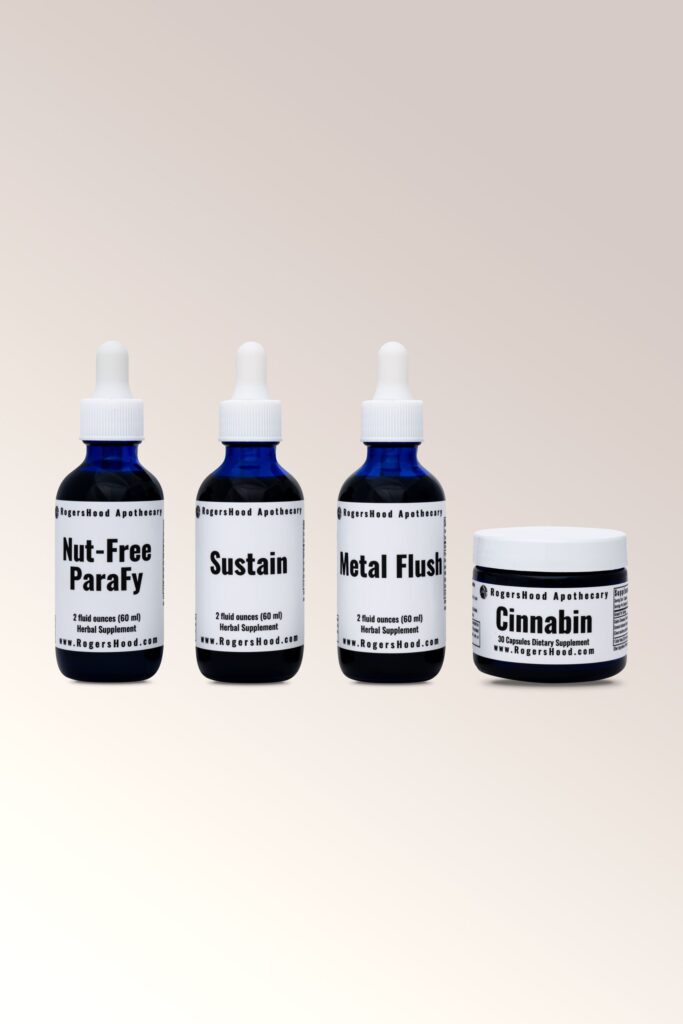
The Nut-Free ParaFy Kit
$125.00 USD -
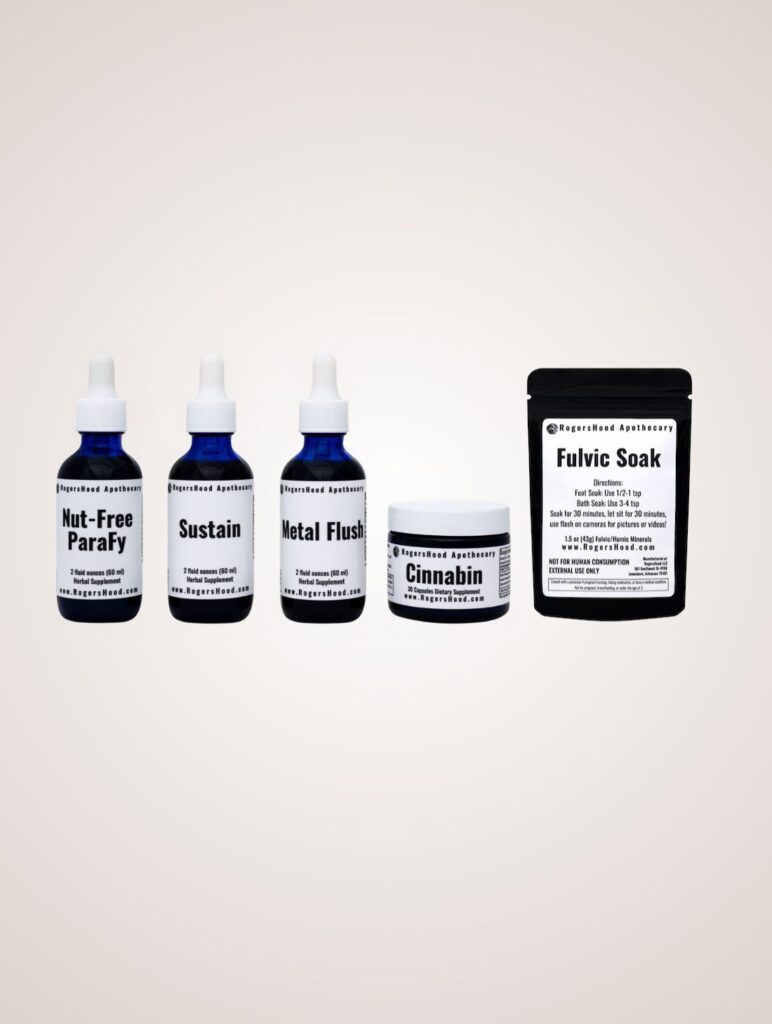
The Nut-Free ParaFy Plus Kit
$140.00 USD -
The ParaFy Kit
$125.00 USD -
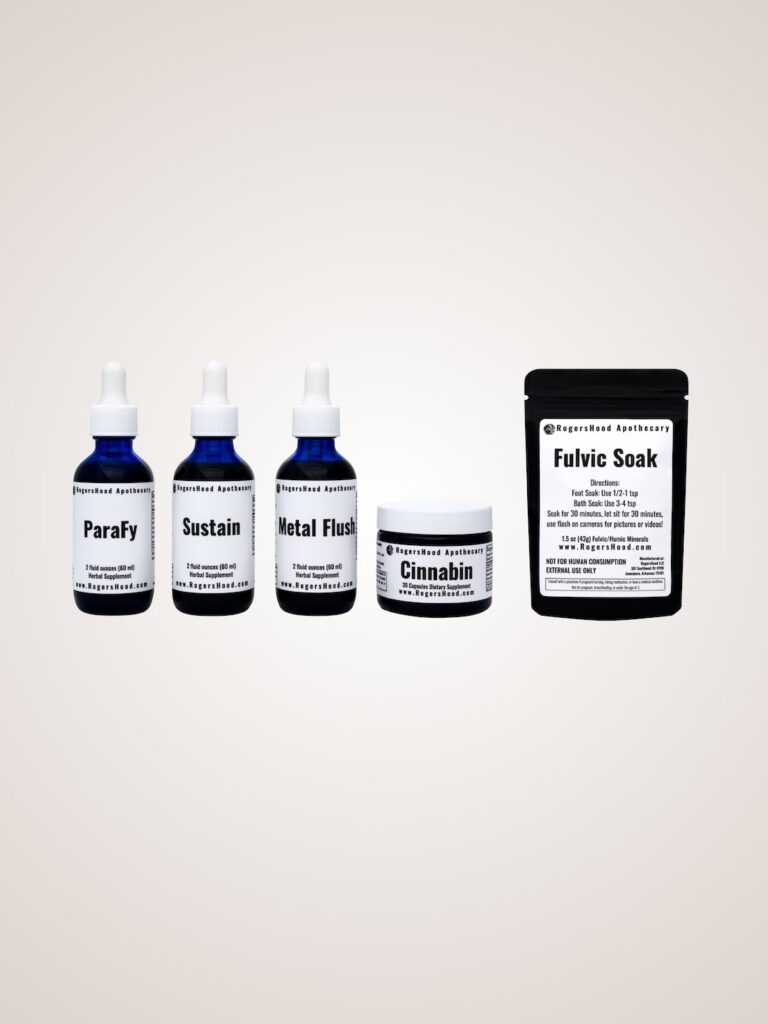
The ParaFy Plus Kit
$140.00 USD -
The Super Nut-Free ParaFy Kit
$160.00 USD


-

Fulvic Acid: What It Is, Benefits, and How to Use a Fulvic Foot Soak
-

Parasites and Mental Health: How Toxins Hijack Your Nervous System
-

Can Parasites Cause Acne? The Skin and Gut Connection
-
How to Get Rid of Pinworms Naturally (Why One Round of Medicine Isn’t Enough)
-
How to Test for Parasites at Home (And Why Lab Tests Miss Them)







Don't know where to start?
Discover our great variety of products. Take our quiz and get personalized suggestions on which products are the best for you